Tristan da Cunha: The World's Most Remote Inhabited Archipelago

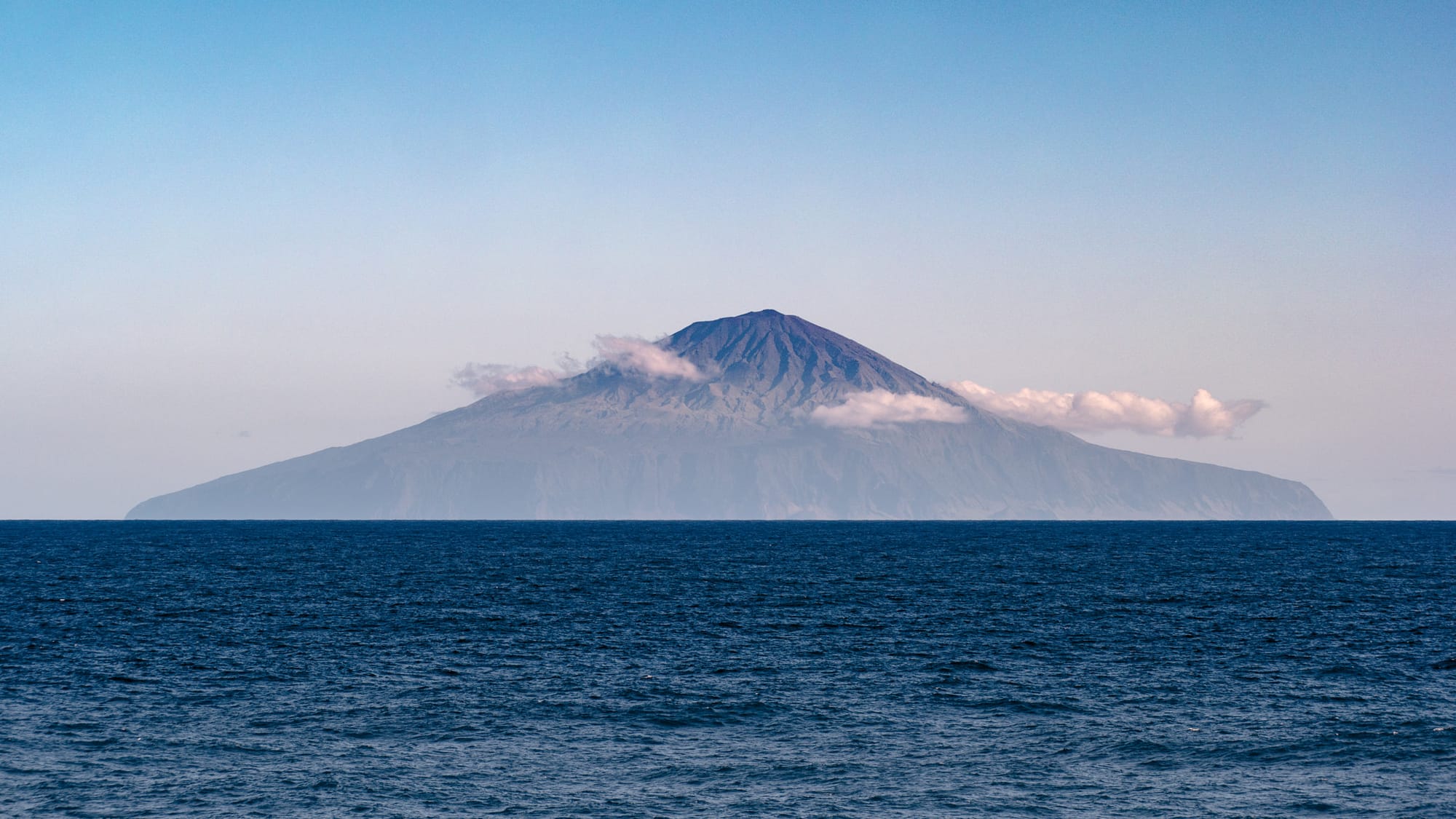
Nestled in the vast expanse of the South Atlantic Ocean, Tristan da Cunha is a mesmerizing and remote group of volcanic islands. This extraordinary archipelago, often referred to simply as Tristan, is a land of striking natural beauty, unique wildlife, and fascinating cultural peculiarities. Let's delve into the remarkable aspects that make Tristan da Cunha a captivating destination.

Isolation: The Ultimate Remote Destination
Tristan da Cunha holds the distinction of being the most remote inhabited archipelago on the planet. Located approximately 2,787 kilometers (1,732 miles) from Cape Town, South Africa, and even farther from other significant landmasses like Saint Helena, Argentina, and the Falkland Islands, Tristan da Cunha epitomizes isolation. This remoteness has cultivated a unique way of life for the island's inhabitants, who number around 250 permanent residents. Life on Tristan is a testament to resilience and community spirit, as the islanders thrive in their seclusion from the rest of the world.
Wildlife Reserves: Sanctuaries of Biodiversity
The Tristan da Cunha archipelago comprises three main islands: Tristan da Cunha (the only inhabited island), Gough Island, and Inaccessible Island. Both Gough and Inaccessible Islands are renowned wildlife reserves, recognized for their pristine ecosystems and diverse seabird populations. These uninhabited islands serve as crucial breeding grounds for various bird species, some of which are found nowhere else on Earth. The natural beauty and ecological significance of these islands have earned them a place on UNESCO's list of World Heritage Sites.

Gough Island, in particular, is a haven for seabirds such as the Tristan albatross and the Atlantic petrel. Inaccessible Island, true to its name, is rugged and challenging to access, which has preserved its untouched environment, making it a critical site for wildlife conservation.
Volcanic Origins: A Geological Marvel
Tristan da Cunha is essentially a stratovolcano, built from successive layers of lava and pyroclastic material. The island's highest peak, St. Mary's Peak, towers at 2,060 meters (6,765 feet) above sea level. This volcano has a history of eruptions from its summit, as well as smaller eruptions on its flanks, which have created cinder cones composed primarily of pyroclastic material. The volcanic origins of the island contribute to its dramatic landscape, characterized by steep cliffs, rugged coastlines, and lush vegetation nurtured by the fertile volcanic soil.
Expressive Language: A Unique Dialect
The English spoken on Tristan da Cunha is distinguished by its unique linguistic features, reflecting the island's isolated development. The Tristanians use double comparatives, such as "I like that more better," and double negation, evident in phrases like "nobody never come out or nothing." Additionally, questions in Tristanian English often omit inversion, leading to constructions like "Where they is?" This distinct dialect is a testament to the island's cultural heritage and the blending of influences over centuries of seclusion.
Embracing the Extraordinary
Tristan da Cunha's combination of breathtaking isolation, vibrant wildlife reserves, volcanic grandeur, and distinctive language makes it a truly extraordinary destination. It stands as a testament to the resilience of human and ecological communities thriving in one of the most remote corners of the world. For those seeking a journey into the unknown, Tristan da Cunha offers an unparalleled adventure into the heart of nature and the enduring spirit of its inhabitants.
Whether you are drawn by the prospect of exploring unspoiled wildlife sanctuaries, intrigued by the island's volcanic history, or fascinated by its unique linguistic quirks, Tristan da Cunha invites you to discover the wonders of this remarkable archipelago. So, embark on a voyage to the edge of the world and experience the unparalleled beauty and mystery of Tristan da Cunha.
References:
- Tristan da Cunha - Wikipedia. https://en.wikipedia.org/wiki/Tristan_da_Cunha.
- What Unique Features Does Tristan da Cunha Have? - Oceanwide Expeditions. https://oceanwide-expeditions.com/faq/what-unique-features-does-tristan-da-cunha-have.
- Volcanism on Tristan da Cunha - British Geological Survey. https://www.bgs.ac.uk/geology-projects/volcanoes/volcanism-on-tristan-da-cunha/.
- About Tristan da Cunha - Atlantic Guardians. https://atlanticguardians.org/explore/about-tristan-da-cunha.