Discovering Buzludzha: Fascinating Facts About Bulgaria’s Abandoned Monument

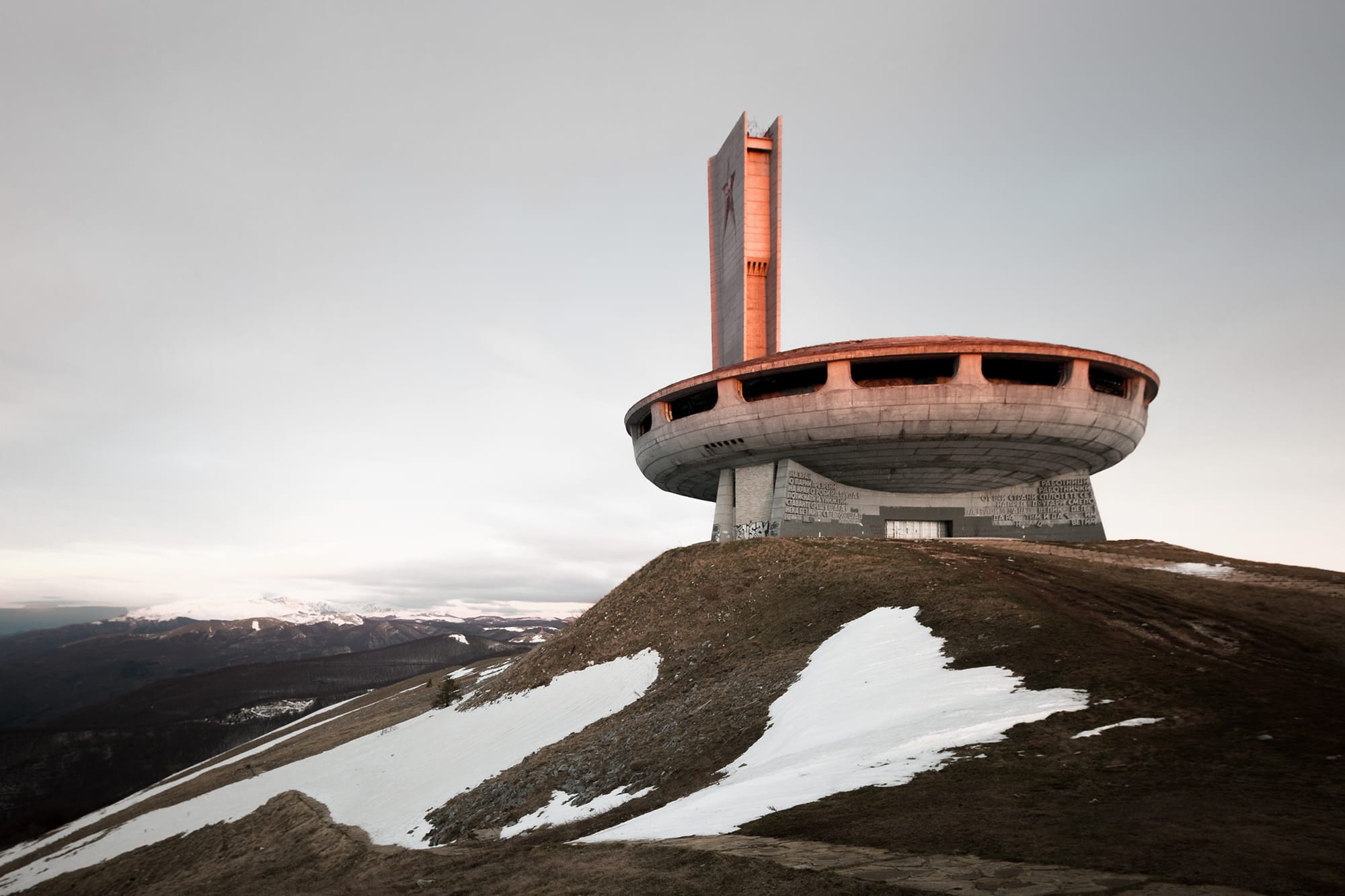
Nestled in the Balkan Mountains of Bulgaria, the Buzludzha Monument stands as a colossal relic of the communist era. Often referred to as the "Bulgarian UFO," this monument is both a testament to Bulgaria's political history and a source of intrigue for adventurers and historians alike. While its striking appearance captures immediate attention, the stories and facts surrounding Buzludzha are equally captivating. Here, we delve into some of the most fascinating aspects of this enigmatic structure.
1. The Architectural Marvel
Designed by architect Georgi Stoilov, the Buzludzha Monument is an impressive feat of architecture and engineering. The main structure, resembling a flying saucer, is perched atop Buzludzha Peak at an altitude of 1,441 meters (4,728 feet). The building is a combination of concrete, glass, and steel, covering an area of over 5,000 square meters (53,820 square feet). Its futuristic design and massive scale make it a unique example of Brutalist architecture.
2. A Symbol of Communist Power
Buzludzha was constructed to commemorate the founding of the Bulgarian Social Democratic Party, the precursor to the Bulgarian Communist Party. Opened in 1981, it celebrated the 90th anniversary of the party's first congress, which took place on the same site in 1891. The monument was intended to serve as a gathering place for party meetings and as a symbol of the power and permanence of communism in Bulgaria.
3. Intricate Interior Mosaics
One of the most striking features of Buzludzha's interior was its extensive and elaborate mosaic work. Covering over 1,000 square meters (10,764 square feet), these mosaics depicted scenes of communist propaganda, including images of Marx, Engels, Lenin, and other socialist leaders. The artwork, made from millions of tiny colored tiles, was a remarkable display of craftsmanship and ideological messaging. Despite years of neglect and exposure to the elements, remnants of these mosaics still cling to the walls, offering a glimpse into the monument's past splendor.
4. Construction Challenges and Costs
Building Buzludzha was a monumental task that took nearly seven years to complete. Over 6,000 workers were involved in the construction, which faced numerous challenges due to the remote and harsh mountain environment. The total cost of the project was estimated to be around 14 million Bulgarian leva (approximately 35 million USD today). This massive investment reflected the importance placed on the monument by the Bulgarian Communist Party.
5. Abandonment and Decay
Following the fall of the communist regime in 1989, Buzludzha was abandoned and fell into a state of disrepair. Looters stripped valuable materials, and harsh weather conditions accelerated the building's deterioration. Despite its neglected state, Buzludzha has become a magnet for urban explorers and photographers, drawn by its eerie beauty and historical significance.
6. A Hub for Urban Exploration
Buzludzha's haunting, abandoned state has made it a popular destination for urban explorers and adventure seekers. Its remote location and the challenge of accessing the monument add to its allure. While the structure is officially closed to the public due to safety concerns, many intrepid explorers still make the journey to capture its haunting beauty and reflect on its historical significance.
7. Efforts to Preserve Buzludzha
Recognizing the cultural and historical value of Buzludzha, various organizations and individuals have advocated for its preservation. In 2018, the European heritage organization Europa Nostra included Buzludzha on its list of the "7 Most Endangered" heritage sites in Europe. Efforts are underway to secure funding and develop plans for stabilizing and restoring the monument, with hopes that it can be transformed into a museum or cultural site in the future.
8. A Beacon of Memory and Controversy
Buzludzha remains a potent symbol of Bulgaria’s communist past, evoking a mix of nostalgia, controversy, and reflection. For some, it is a reminder of the ideological fervor and grandiose ambitions of the communist era. For others, it stands as a testament to the excesses and eventual decline of that period. The monument’s imposing presence and the stories it embodies continue to provoke thought and discussion about Bulgaria’s history and the broader narrative of Eastern Europe’s communist legacy.
Conclusion
The Buzludzha Monument is more than just an abandoned building; it is a powerful symbol of a bygone era, an architectural marvel, and a site of profound historical significance. Its unique design, the stories behind its construction, and the ongoing efforts to preserve it all contribute to its enduring mystique. Whether viewed as a relic of the past or a monument with potential for future revival, Buzludzha continues to captivate the imagination of all who encounter it.